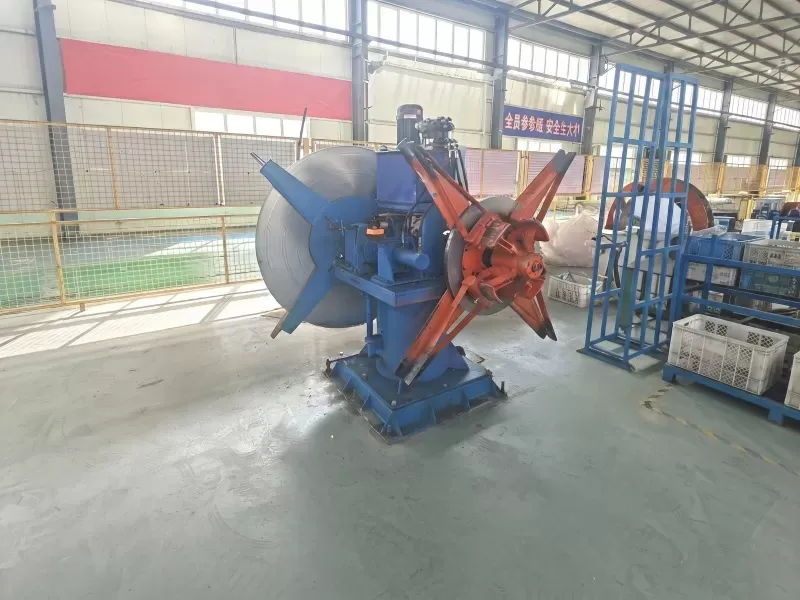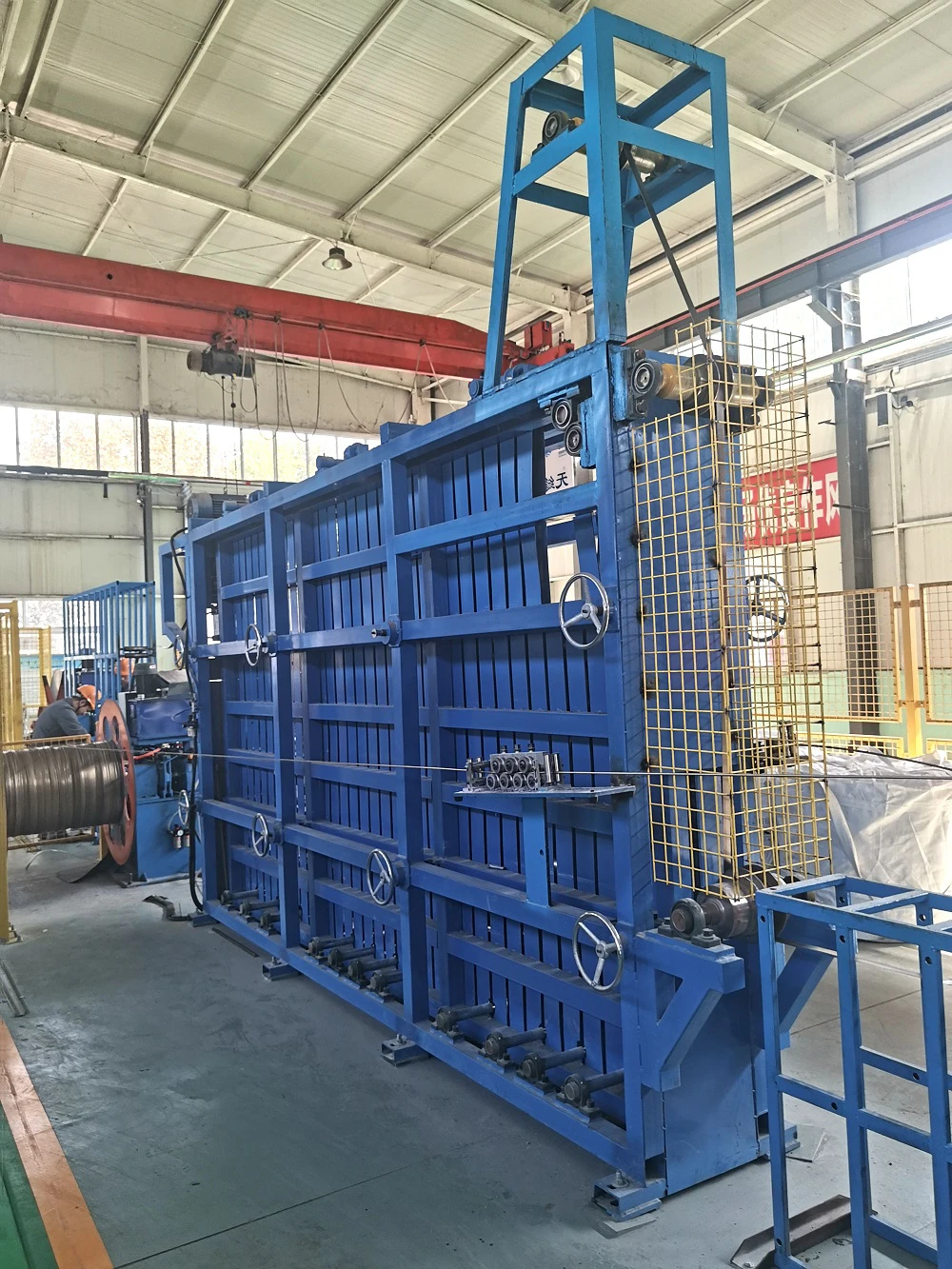
Solid Calcium Cored Wire Applications in Steel Making
Calcium treatment is a small step in the steelmaking process, but it can have a very clear impact on steel cleanliness, casting stability, and final product quality. For many steel plants, the challenge is not simply adding calcium into molten steel. The real challenge is how to deliver calcium to the right depth, keep the reaction stable, and avoid excessive loss before the calcium can work effectively.
Solid calcium cored wire is used for this purpose. During ladle refining, it is fed into molten steel through wire feeding equipment, allowing calcium to enter deeper areas of the steel bath. This helps calcium react with oxygen, sulfur, and harmful inclusions more effectively than surface addition methods.
For steel producers, solid calcium cored wire is mainly valued for four reasons: it supports deoxidation, helps with desulfurization, modifies inclusions, and improves the stability of continuous casting.
What Solid Calcium Cored Wire Does in Steel Making
Solid calcium cored wire is a metallurgical wire used in secondary refining. It normally has a steel sheath with a dense calcium core inside. When the wire is fed into molten steel, the outer sheath protects the calcium during feeding and helps carry it into the steel bath before the calcium reacts.
This feeding method is important because calcium is highly reactive. If calcium is not delivered properly, part of it may react too early or be lost before reaching the desired depth. A stable wire structure helps make calcium addition more controlled.
In actual production, the treatment result depends on several factors, including molten steel temperature, ladle size, steel grade, feeding speed, wire diameter, and the existing refining process. This is why solid calcium cored wire should always be selected according to the steel plant’s real production conditions.
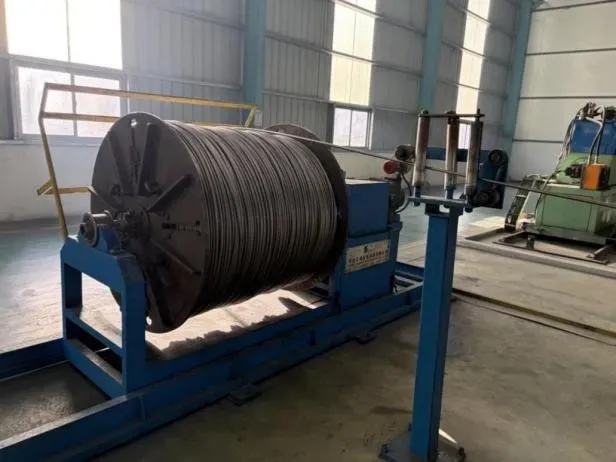
Deep Deoxidation and Cleaner Molten Steel
One of the main applications of solid calcium cored wire is deoxidation. Calcium has strong affinity for oxygen, so it can react with oxygen in molten steel and help reduce unwanted oxide content.
In many steelmaking processes, aluminum is also used for deoxidation. However, aluminum deoxidation may lead to alumina inclusions. These inclusions are usually hard and angular, and they may remain in the steel if they are not properly treated.
This is where calcium treatment becomes useful. Calcium can react with alumina inclusions and change them into calcium aluminate inclusions with a lower melting point. These modified inclusions are generally easier to control during refining and casting.
For steel plants, the benefit is practical. Cleaner molten steel can help reduce quality fluctuations and support more stable production, especially when producing steel grades that require better toughness, formability, or surface quality.
Desulfurization Support During Ladle Refining
Solid calcium cored wire also supports desulfurization. Calcium can react with sulfur in molten steel to form calcium sulfide. Under suitable refining conditions, this helps reduce the negative effect of sulfur and improves steel cleanliness.
However, desulfurization should not be viewed as the result of calcium wire alone. It is related to the complete refining system, including slag condition, stirring, temperature control, oxygen level, and process timing.
For buyers, this point is important. When evaluating calcium cored wire, it is better to look at the whole production process instead of judging the wire only by its chemical composition. The same wire may perform differently in different steel plants if the refining conditions are not the same.
Inclusion Modification: Turning Harmful Inclusions into More Stable Forms
Inclusion modification is one of the most important reasons for using solid calcium cored wire.
Before calcium treatment, alumina and sulfide inclusions may exist in forms that are not ideal for steel performance. Some inclusions may be angular, elongated, or unevenly distributed. These shapes can interrupt the steel matrix and may reduce impact toughness, fatigue resistance, and processing stability.
After proper calcium treatment, these inclusions can be modified into finer and more rounded calcium-containing inclusions. This does not mean all inclusions disappear. Instead, their shape, melting behavior, and distribution become easier to manage.
For steel grades used in pipelines, automotive parts, structural applications, and other demanding fields, this can be very important. Better inclusion control can help improve consistency from heat to heat and reduce the risk of unexpected quality problems during rolling, forming, welding, or service.
Reducing Tundish Nozzle Clogging in Continuous Casting
Nozzle clogging is a common problem in continuous casting. One major cause is the buildup of alumina inclusions in the tundish nozzle or submerged entry nozzle. Once clogging becomes serious, the steel flow may become unstable, and the casting process may be interrupted.
Solid calcium cored wire can help reduce this problem by modifying alumina inclusions into calcium aluminates. These modified inclusions usually have better flow behavior during casting, which can reduce the tendency of hard alumina particles to attach to the nozzle wall.
This is one of the key reasons calcium treatment is widely used in continuous casting operations. It helps steel plants maintain smoother casting, reduce production interruptions, and improve process stability.
That said, calcium treatment is not a single-step solution for every nozzle clogging problem. Casting temperature, steel chemistry, slag carryover, refractory condition, and operating control also matter. Solid calcium cored wire works best when it is used as part of a well-controlled refining and casting process.
Why Some Steel Plants Choose Solid Calcium Cored Wire
Compared with traditional powder-filled cored wires such as CaSi wire or CaFe wire, solid calcium cored wire has several practical advantages.
First, the dense calcium core can help improve calcium delivery stability. Because the calcium content per unit length is more uniform, the treatment result is easier to control.
Second, the solid structure can reduce some feeding problems. In wire feeding operations, unstable wire structure may cause slipping, deviation, breakage, or jamming. A more rigid wire can help the feeding process run more smoothly, especially during continuous production.
Third, solid calcium cored wire can help improve calcium yield. According to the original material, the calcium yield of conventional powder-filled cored wires is typically around 8%–15%, while solid calcium cored wire can achieve a more stable yield of over 38% under suitable conditions. The actual yield still depends on the steelmaking process, feeding parameters, and operating control.
Fourth, fewer wire feeding interruptions can reduce operator workload. If one coil can cover more heats under the same production conditions, the plant may reduce the frequency of wire threading and improve operating efficiency.
What Buyers Should Confirm Before Purchasing
For B2B buyers, selecting solid calcium cored wire should not be based only on product name or unit price. The supplier needs enough process information to recommend a suitable wire specification.
Before requesting a quotation, buyers should prepare the following information:
- Steel grade or target application
- Ladle capacity
- Molten steel temperature range
- Current oxygen and sulfur control requirements
- Existing calcium treatment method
- Wire diameter requirement
- Required coil weight or packaging method
- Wire feeding equipment condition
- Feeding speed and feeding depth requirements
- Continuous casting problems, if any
- Current issues such as nozzle clogging or unstable inclusion control
This information helps the supplier understand the buyer’s real production situation. It also reduces the risk of choosing a wire that does not match the plant’s refining process.
Common Questions About Solid Calcium Cored Wire
Is solid calcium cored wire only used for deoxidation?
No. Deoxidation is one important function, but solid calcium cored wire is also used for desulfurization support, inclusion modification, and continuous casting stability.
Can it completely solve nozzle clogging?
It can help reduce nozzle clogging caused by alumina inclusions, but it cannot guarantee that nozzle clogging will never happen. Nozzle clogging is affected by many factors, including steel chemistry, refining control, casting temperature, and operating conditions.
Is solid calcium cored wire better than CaSi wire or CaFe wire?
It depends on the application. Solid calcium cored wire may offer better calcium yield, more stable feeding, and more consistent treatment in suitable processes. However, the final choice should be based on the steel grade, refining target, equipment condition, and cost calculation.
What should buyers provide to get a proper recommendation?
Buyers should provide steel grade, ladle size, current refining method, wire diameter requirement, feeding equipment information, and the main production problem they want to solve, such as inclusion control or nozzle clogging.
Conclusion
Solid calcium cored wire plays an important role in ladle refining and calcium treatment. It helps steel plants improve steel cleanliness, modify harmful inclusions, support desulfurization, and reduce the risk of nozzle clogging during continuous casting.
For purchasing teams, the key is to match the wire with the actual production process. Different steel grades and refining conditions may require different feeding practices and wire specifications.
If you are evaluating solid calcium cored wire for steel making, ladle refining, or continuous casting applications, you can contact SANSO with your steel grade, ladle capacity, wire diameter requirement, and current production concerns. Our team can review your application and provide a suitable recommendation or quotation.
Calcium Injection Metallurgy: Yield Recovery & Feeding Speed Optimization
In secondary ladle metallurgy (LF / RH refining) documented by the World Steel Association and ASM International, pure metallic calcium boils at 1,484°C—roughly 100°C below molten steel ladle temperatures (1,580°C–1,620°C). If solid calcium cored wire is injected too slowly, the thin steel sheath melts near the slag line and calcium vaporizes violently before reaching the lower ladle zone, slashing calcium recovery below 12%.
Worked Ladle Injection Parameters: 100-Ton Steel Ladle Ca-Treatment
- Target Dissolved Calcium:
25–35 ppm Cato convert solid abrasive alumina (Al&sub2;O&sub3;) inclusions into liquid low-melting-point calcium aluminates (12CaO·7Al&sub2;O&sub3;) that prevent continuous-casting submerged entry nozzle (SEN) clogging. - Wire Specification: Ø9.0 mm solid pure calcium cored wire produced on a SANSO SS-10 solid calcium cored wire production line (typical core weight
~62–68 g/mpure Ca inside a 0.4–0.5 mm thick SPCC steel sheath). - Optimal Wire Feeder Speed: Inject vertically at 2.5 to 4.0 m/s (150–240 m/min) so the thick steel sheath carries the solid calcium rod deep below ferrostatic head pressure (>2.2 m depth) before melting—boosting calcium recovery to 28%–38% (nearly double loose CaSi powder wire!).
Quality Requirements for Solid Calcium Cored Wire Production Lines
Steelmaking plants reject cored wire coils immediately if inconsistent lock-seam tightness allows atmospheric moisture to oxidize the pure calcium core into powdery calcium hydroxide before injection:
| Wire Quality Parameter | Steel Plant Specification | How SANSO Production Lines Guarantee Compliance |
|---|---|---|
| Wire Diameter Tolerance | Ø9.0 ± 0.3 mm (or Ø10 / Ø13 mm) | Precision 12–16 stand CNC forming & lock-seam calibration rolls |
| Core Weight Uniformity | ±2% linear g/m stability | Synchronized servo feeding + inline weighing verification |
| Lock-Seam Airtightness | Zero seam opening during 180° bend test | Tight double-fold seam lock + moisture-barrier heat-shrink pallet wrapping |
| Coil Payoff Integrity | Tangle-free vertical/horizontal cage payoff at 250 m/min | Precision traverse layer winding with automated tension dancer control |
Frequently Asked Questions (FAQs)
Why does solid pure calcium cored wire achieve higher recovery than CaSi powder wire?
Solid extruded calcium rod has zero trapped air porosity and 100% dense metallic contact inside a thicker steel sheath, suppressing violent surface boiling and letting calcium dissolve deeper inside the molten steel bath.
How does calcium treatment stop continuous-casting nozzle clogging?
Aluminum-killed steels contain hard solid alumina (Al&sub2;O&sub3;) clusters that stick inside refractory caster nozzles. Pure calcium transforms those clusters into liquid spherical calcium-aluminate droplets that pass smoothly through the nozzle.
What is the difference between solid calcium cored wire and composite flux cored wire lines?
A solid calcium line forms steel strip around a continuous extruded solid calcium wire rod, whereas a composite cored wire line meters granular CaSi, FeTi, FeCa, or carbon powders via servo loss-in-weight hopper feeders.
How should finished solid calcium cored wire cages be stored?
Store cages sealed in moisture-proof shrink wrap inside a dry, ventilated warehouse (RH < 60%) to prevent metallic calcium reaction with ambient humidity.
- World Steel Association — Secondary Ladle Metallurgy & Clean Steel Refining Reference.
- ASM International — Inclusion Engineering & Calcium Treatment of Aluminum-Killed Steels.
- Wikipedia Metallurgy Reference — Secondary Steelmaking & Ladle Alloy Injection.
- ASTM International — Clean Steel Inclusion Rating Standards (ASTM E45).
- SANSO Machinery: Solid Calcium Cored Wire Production Line & Cored Wire Lines.
Reviewed by Liu Lei — Chief Technical Advisor (25 Years Experience)
Verified by Chief Technical Advisor Liu Lei and Hebei SANSO's 25-engineer R&D team (founded in 2001) using German COPRA RF roll pass simulation and 300+ global steel pipe mill commissioning records.